
Happy February!
greetings from the land of single digits and a true zone 7 environment...

Its been a whole month plus a little since I’ve sent out a newsletter.


It’s not because I don’t have much to say. Indeed winter months are slower but there is still much going on. Taking care of hundreds of plants that have been placed inside the greenhouse, the sunroom, the sunroom annex and just inside our home!
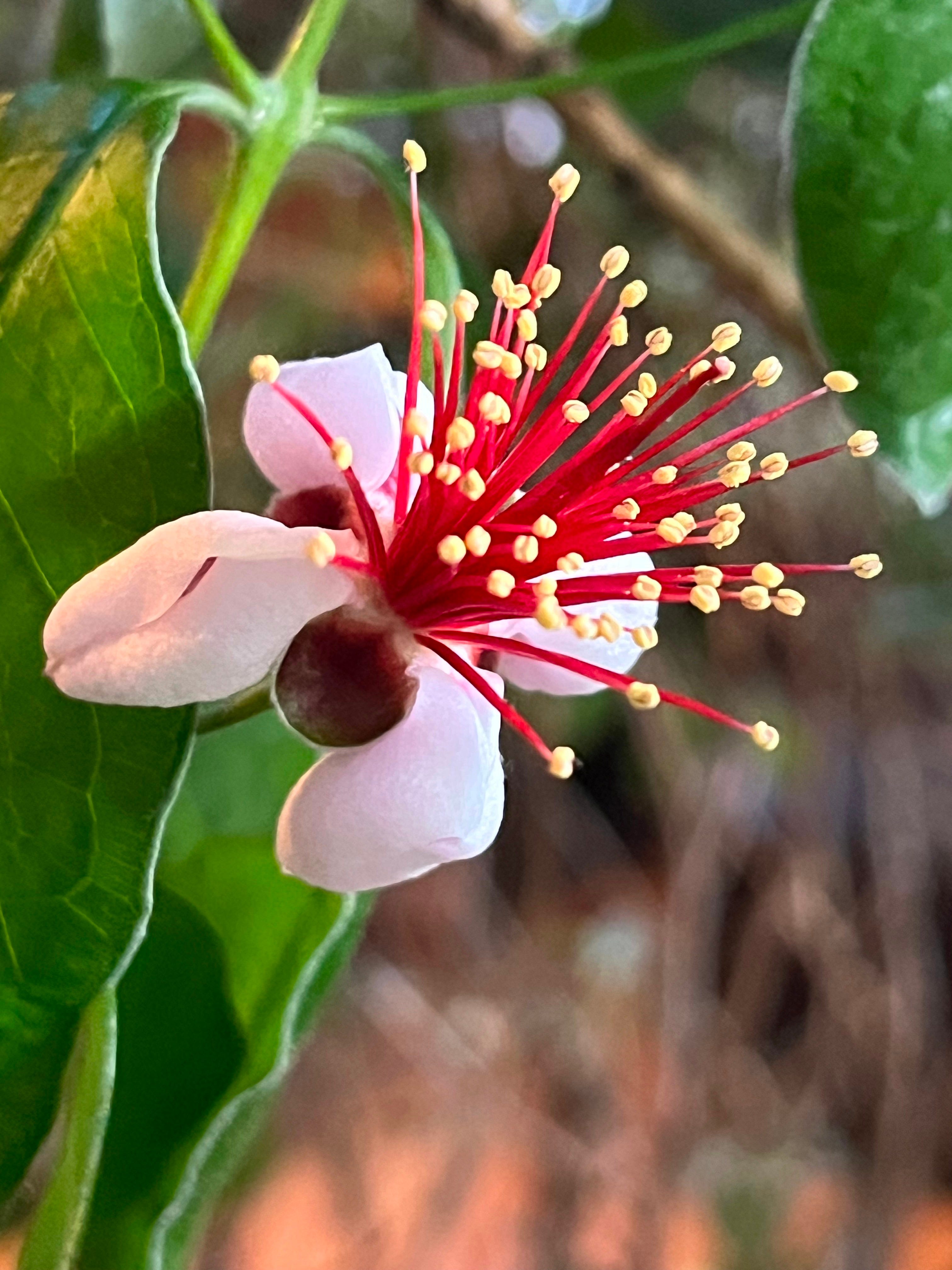
There’s seed sorting, seed sowing and seed dreaming.
But the past two months I have been working on our new book. In this case when I say I, I mean my cohort in all things green, my fellow hortisexualist, Scott. Here’s a short video to show you a little of the process of doing the research…
A few things to share before I need to go back to my deep dive of researching & writing here’s somethings I want you to know…


A fellow worker shared with me the failed progress on the Chestnut tree project that the American Chestnut Foundation was sponsoring with the Environmental School of Education, (ESF) for the past 10 years. It came to light last summer that the pollen that was being used was not from the correct specimen.
The “Darling 54” tree, originally misidentified as “Darling 58,” contains a critical genetic defect caused by the unintended deletion of the SAL1 gene, weakening the tree’s health and resilience. According to The American Chestnut Foundation (TACF), which helped fund and develop this project, Darling 54 suffers from:
Stunted growth and poor survival
Inconsistent or declining blight resistance
High mortality, especially in genetically engineered (GE) trees compared to their non-GE siblings.
These are not minor issues—they are systemic failures that make Darling 54 unsuitable for restoration.
Read more here!
If you’re interested in a deeper dive I can forward you his article.
Here are a few “take aways” from it.
Already progress has been made to restore the American chestnut. Crossing American trees with at least 50% of the Chinese species has proven to be blight free and contain some of the characteristics of the American. The American Chestnut Foundation locates blight resistant American chestnut individuals and breeds them creating more blight resistant pure American strains which is a lengthy process. Also wild blighted American chestnuts that grow, get blighted and resprout again and again seem to be growing larger each time showing that it is learning to ward off the blight just like the Chinese chestnut accomplished by coevolving with it for thousands of years.
Perhaps we have done so much alteration to the environment like new species introductions and climate change that preserving a totally pure American species is a misguided goal. Sometimes crossing plant species creates genetic defects such as crossing European/japanese chestnuts with Chinese which can create brown rotten nuts and sometimes it makes them stronger as seems to be the case with Chinese/American hybrids. It’s a puzzle we have to observe and perfect through time.
We love our ‘Dunstan’ Chestnut trees and devoted a chapter in our book, ‘Cold-Hardy Fruits and Nuts’.


If you follow me on Instagram you will note that I discovered that this particular hybrid will produce nuts as a single tree. No need to have two, which is particulary nice if you have a small yard, or just don’t need gobs of tasty nuts. All literature, including whats in our book says you need 2!
We tap our Black Walnut trees these days. And we both think it is yummier in flavor than maple, with notes of caramel and butterscotch. We got a few 1/2 pints of syrup catching an early run of weather and hopefully will continue to do so when the weather reaches up to above freezing days and cold (but not necessarily single digit nights), aka March??


We are selling seeds this year! If you would like me to send you a seed list please just ask! All seeds are organically grown at the arboretum. You can respond to this newsletter, DM me, or send me an email.
**Subscribers and members to the arboretum will get an extra packet of seeds for every five packs ordered.
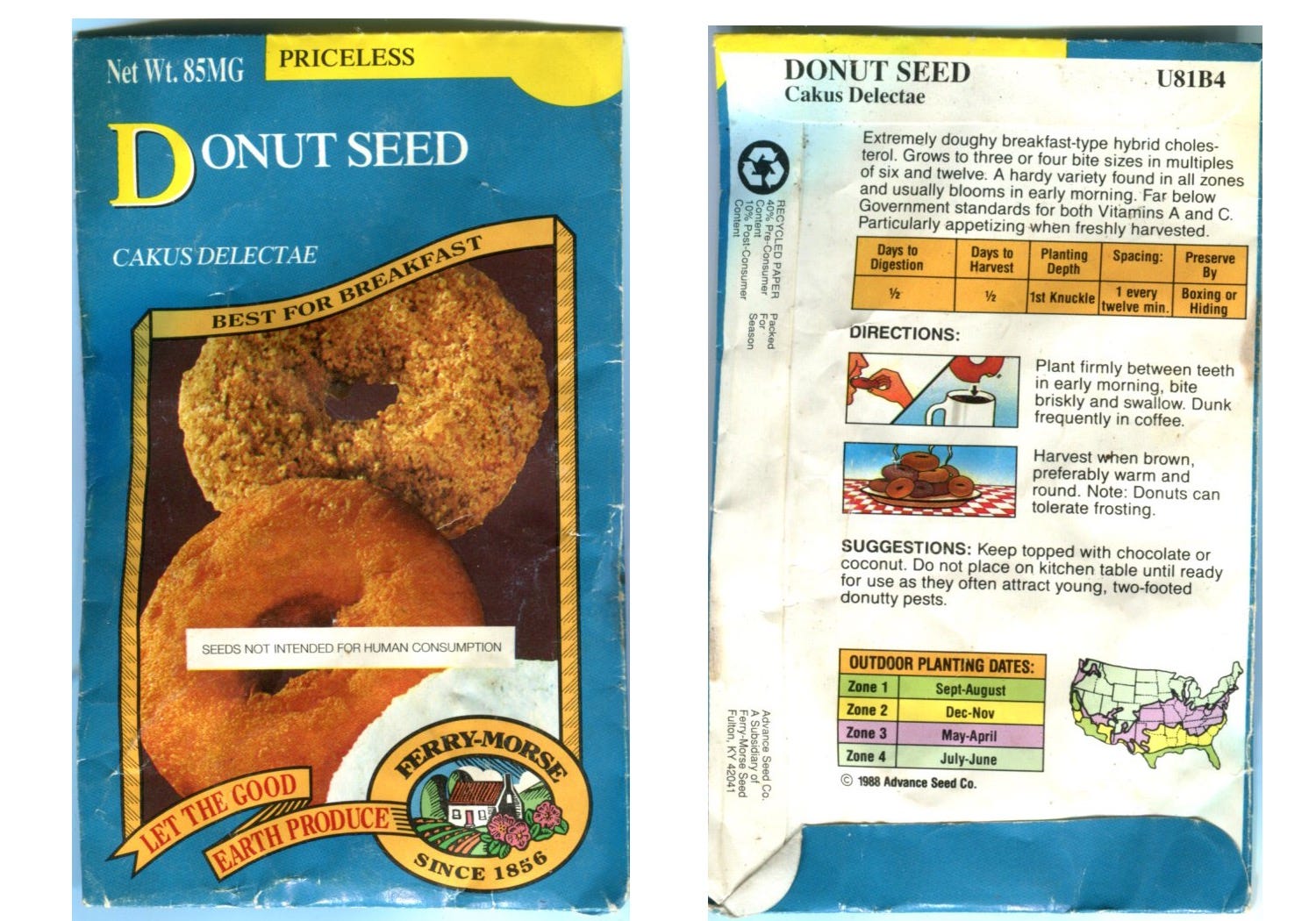
*** Sorry we have already sold out of this special variety!***
The Spring Visual Art Residency is open now for applications.
This opportunity is from: MAY 4th -MAY 11th, 2026
To learn more about the Visual Arts Residency at Hortus and to see past residents please click this link.
The juror is the 2025 Fall Resident: Laurie Shapiro.
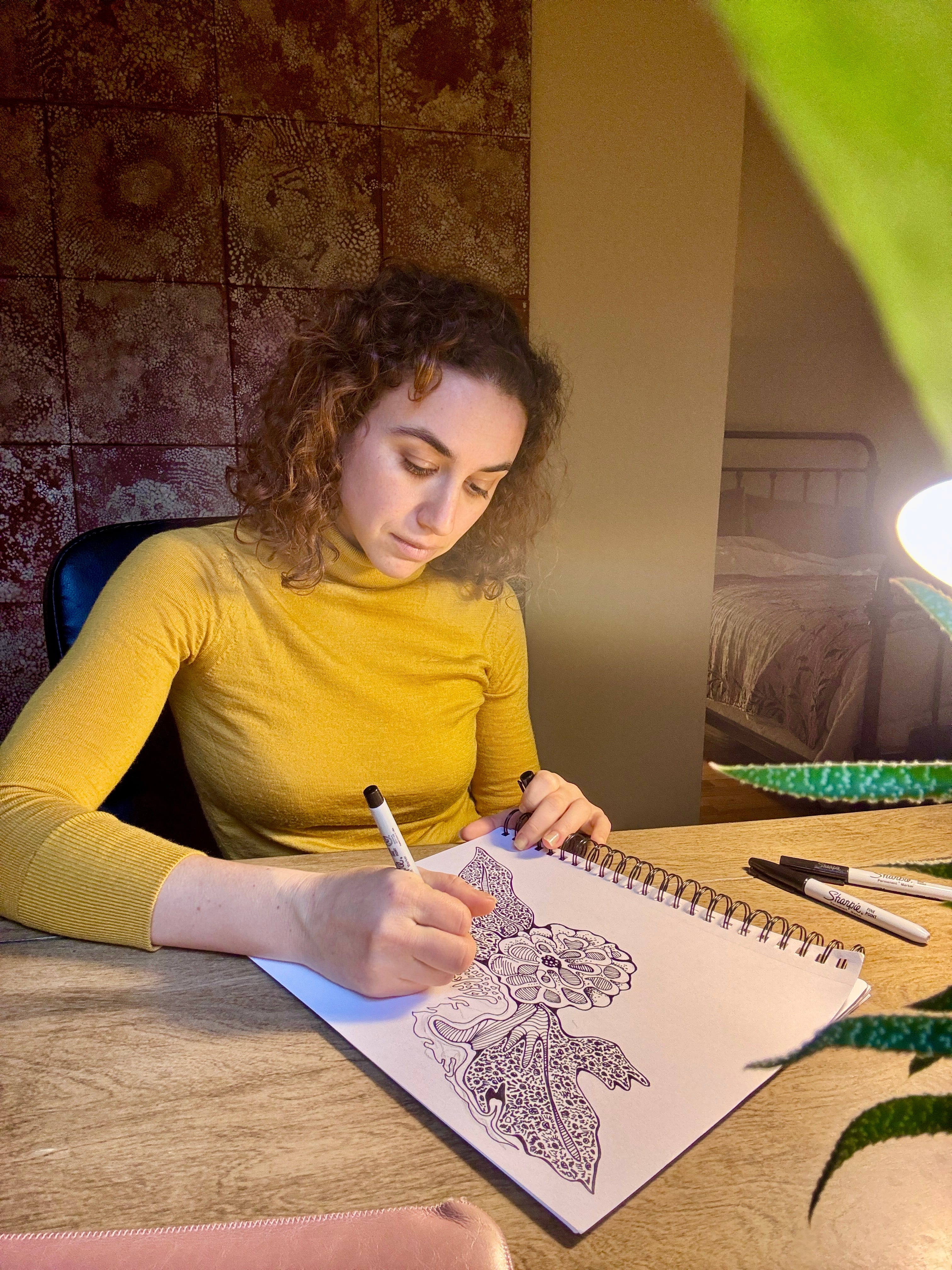
The rest of the content is for paid subscribers. Please consider becoming one. They will be helping me choose some images for our next book!!
Thanks for reading along!
Allyson
It’s been awhile my lovely and supportive paid subscribers that I’ve done anything SPECIALLY done for you. I know that is not why you have decided to support my work as a horticulturist and as a writer of all things horty, but to show you my appreciation with your financial support, help me choose what photos to send to the art department team.
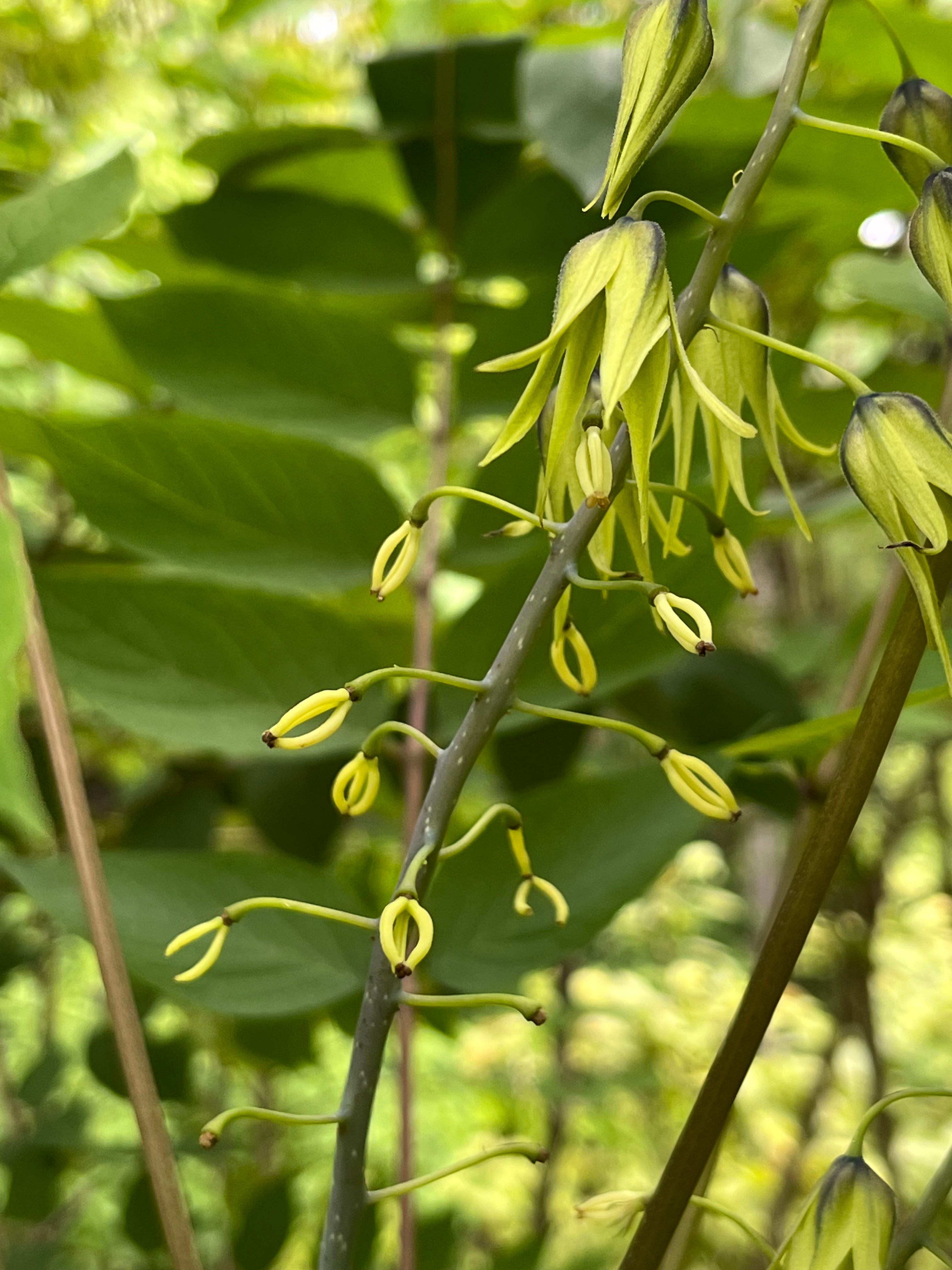
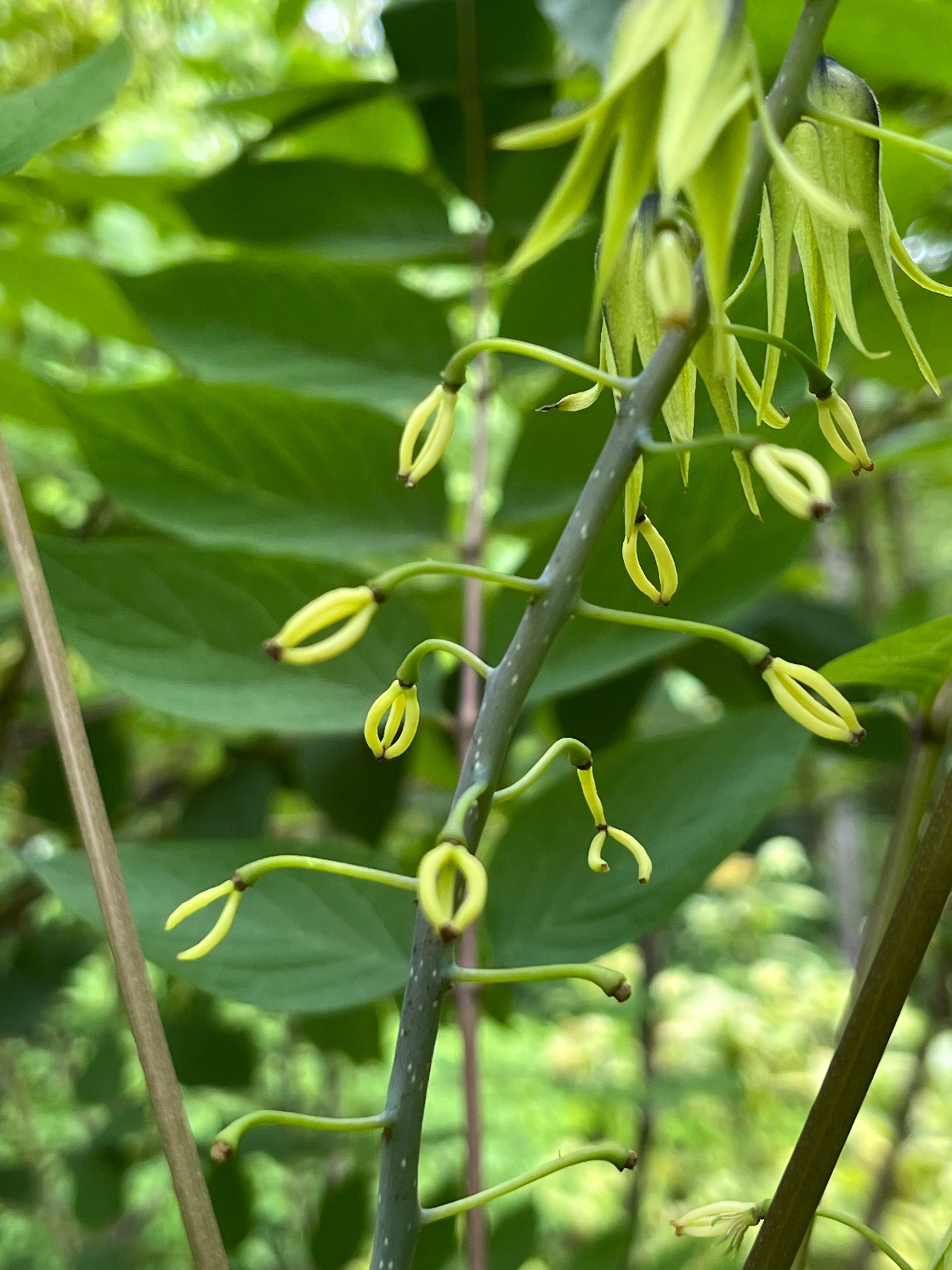
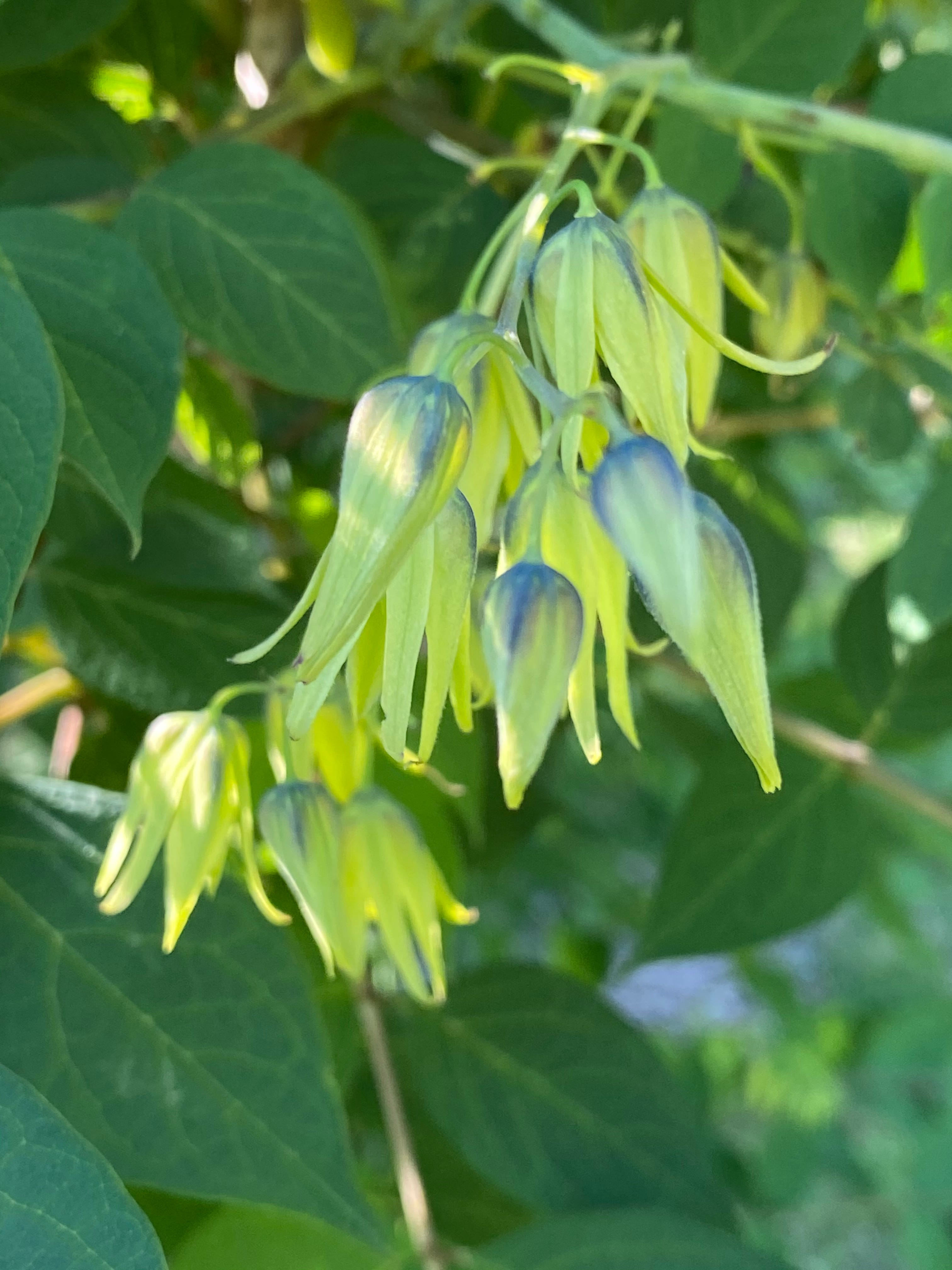
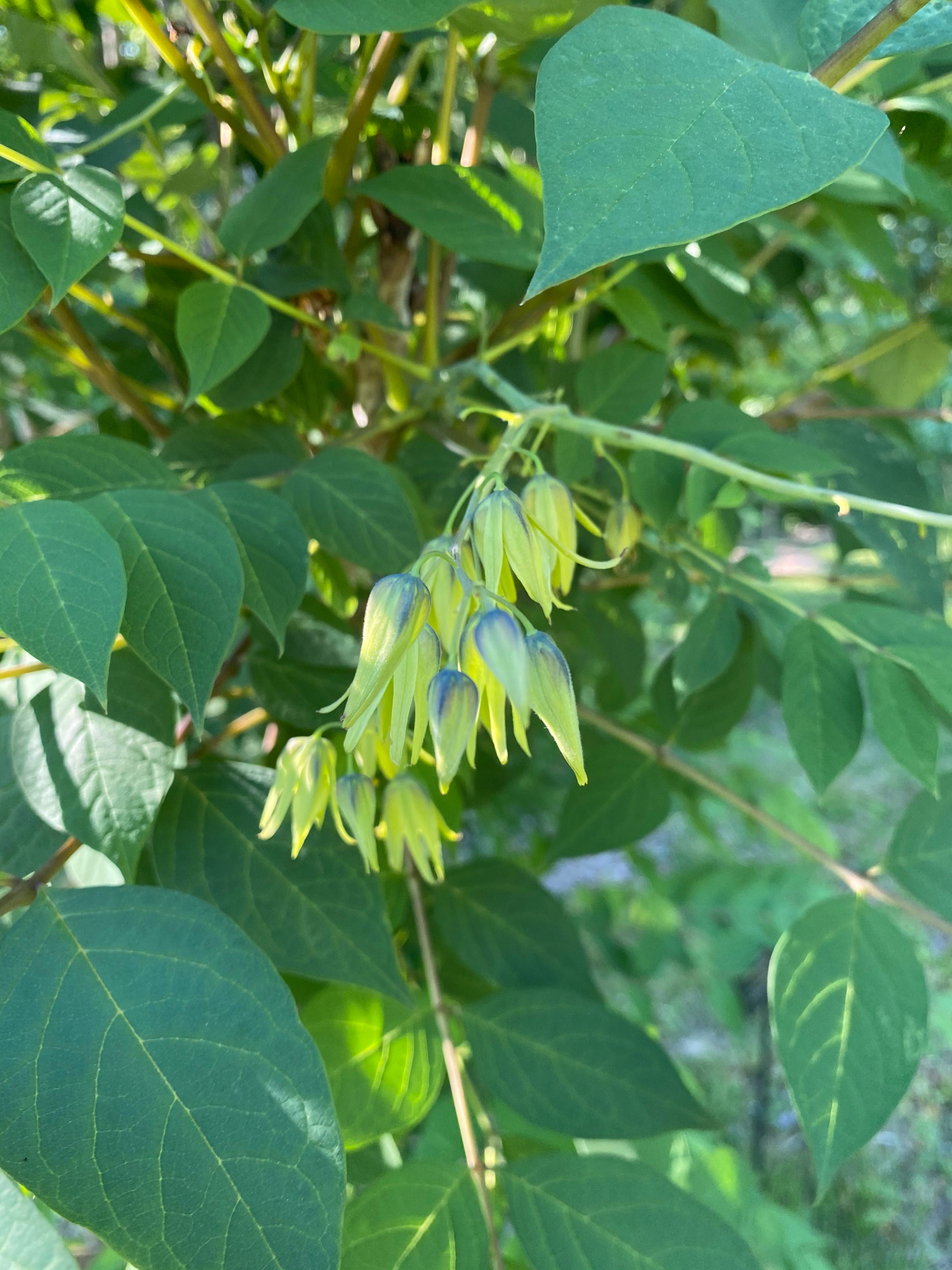
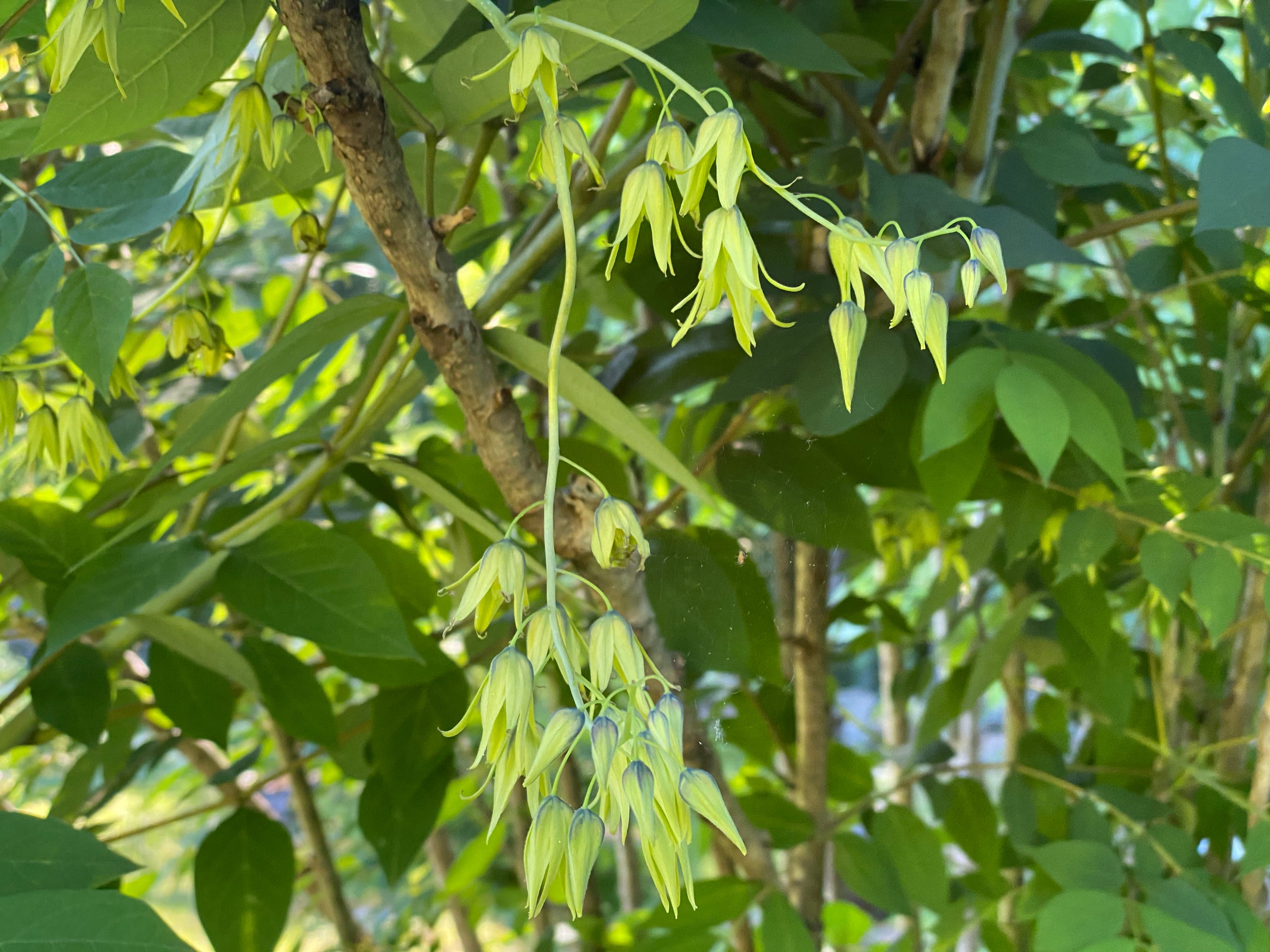
Blue Bean (Decaisnea fargesii)
First up is flowers!
#1
#2
#3
#4
#5
#6
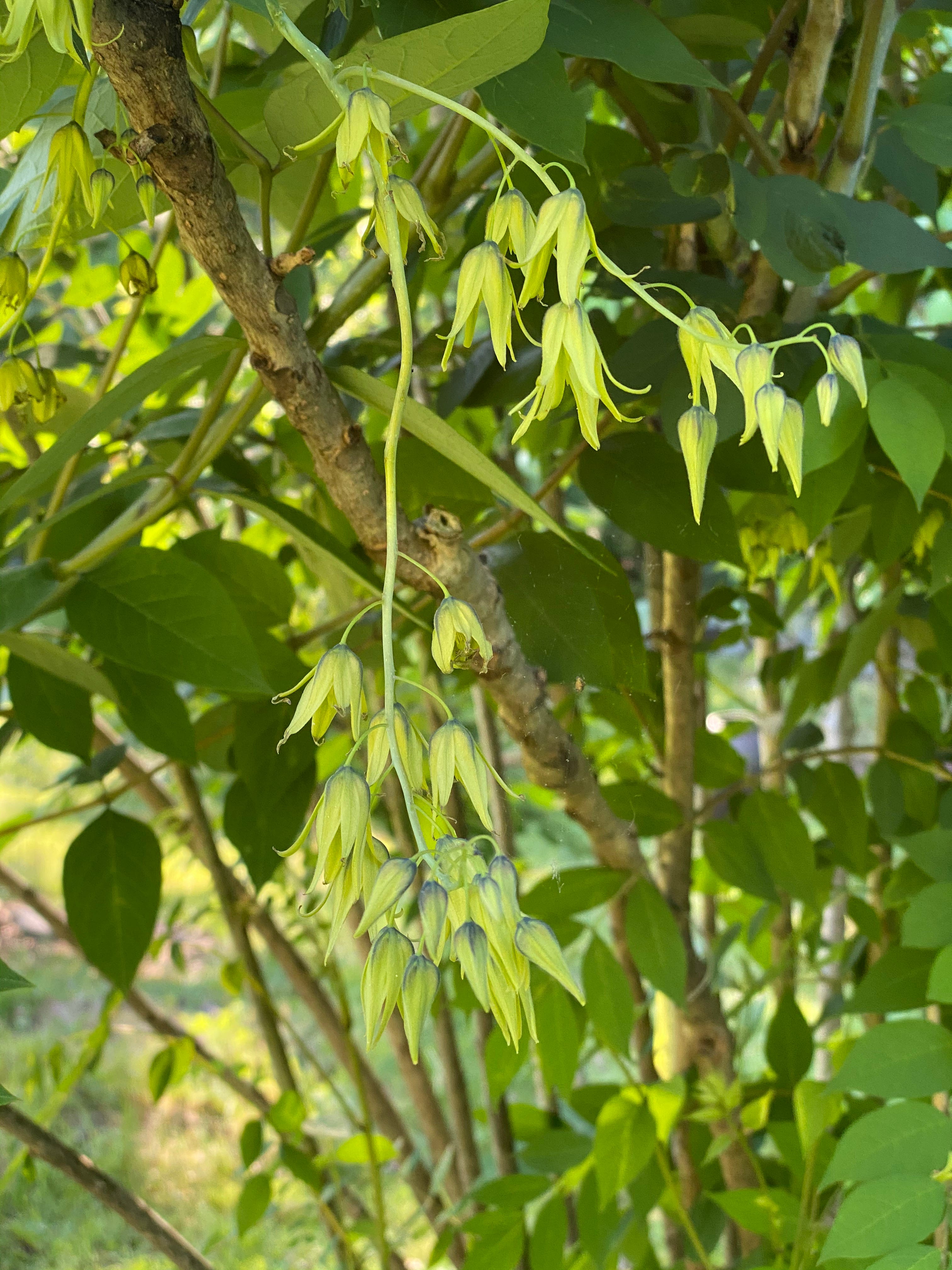
They may appear similar, but there are differences in all of them. When I send them in I cannot crop or use filters…that is the art departments “job”. My job is to take the photos. Please let me know which 2 or 3 are your favorites.
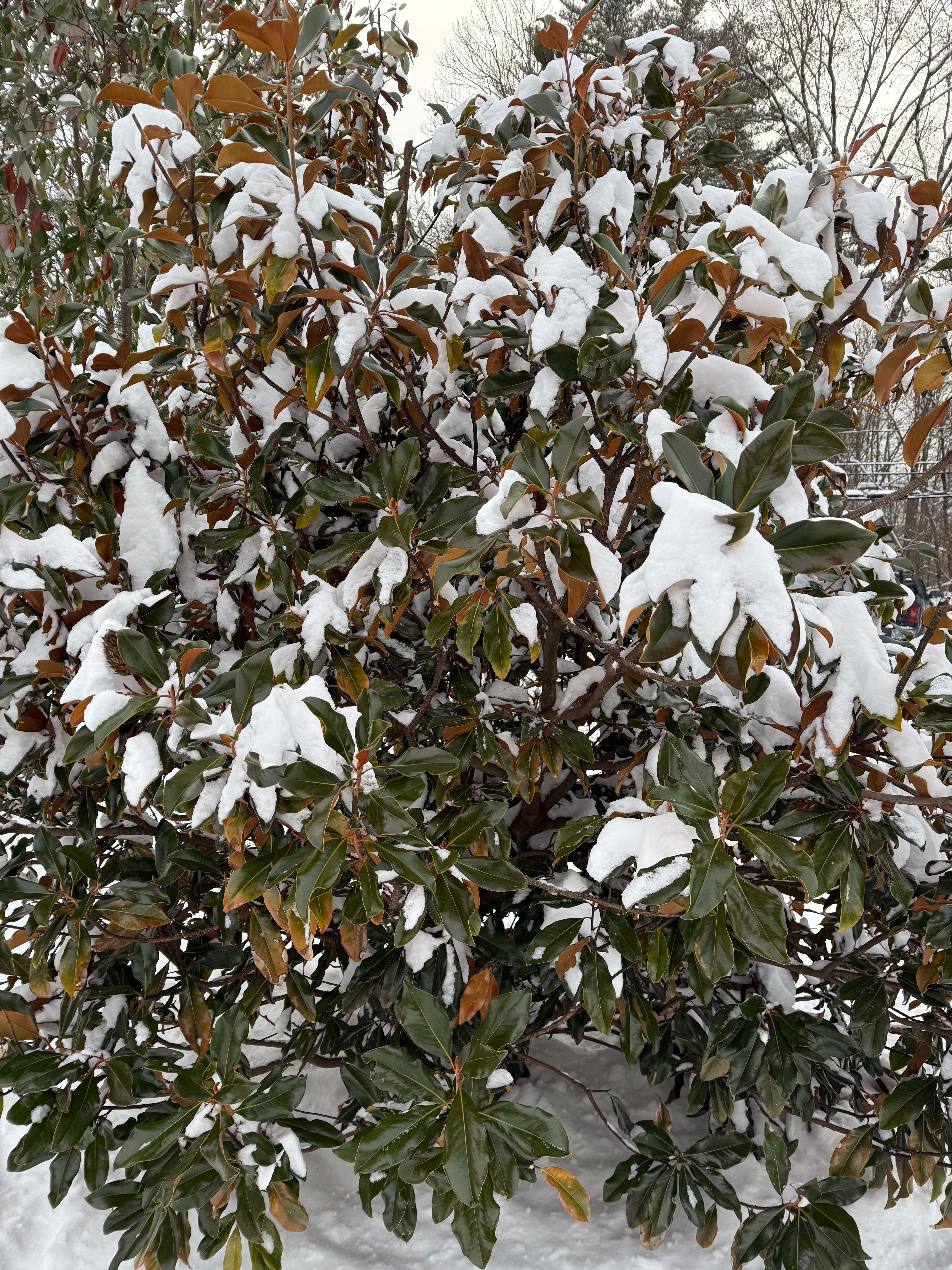
Do you ever wonder how trees can deal with the winter conditions? Unlike people where we can add on layers, or simply just go back inside when it is too cold, icy, windy or snowy, different tree genera have different ways of coping.
The National Forest Foundation has a cool and easy to understand article. Read more here
Have you heard about William Beal? He wondered how long seeds could remain viable underground, (think about that annual Japanese stilt grass…)
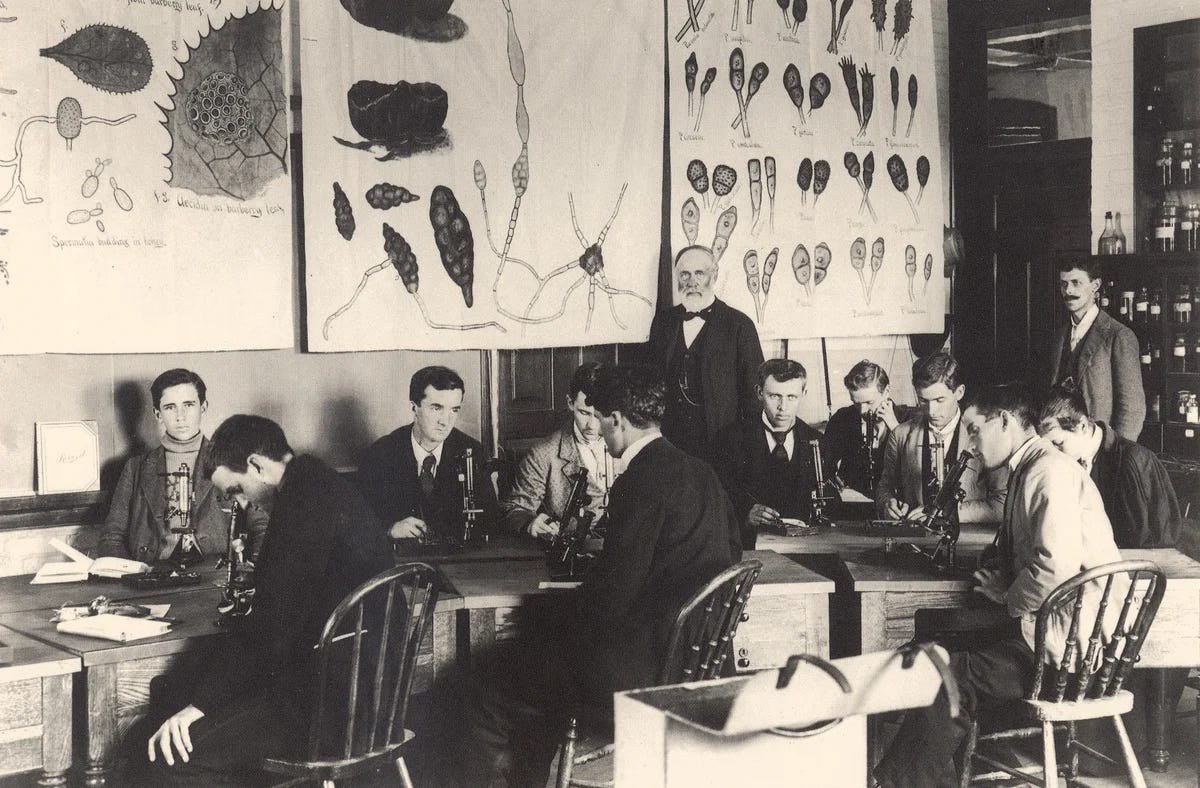
Here’s a link to a story on npr .
(YES, another reason to support your local public radio!)
That’s it for now.
Thanks for reading along and for all your support, and see you in the gardens.
Allyson
Re. the photos of Decaisnea fargesii: #1 and #3