
Suddenly September

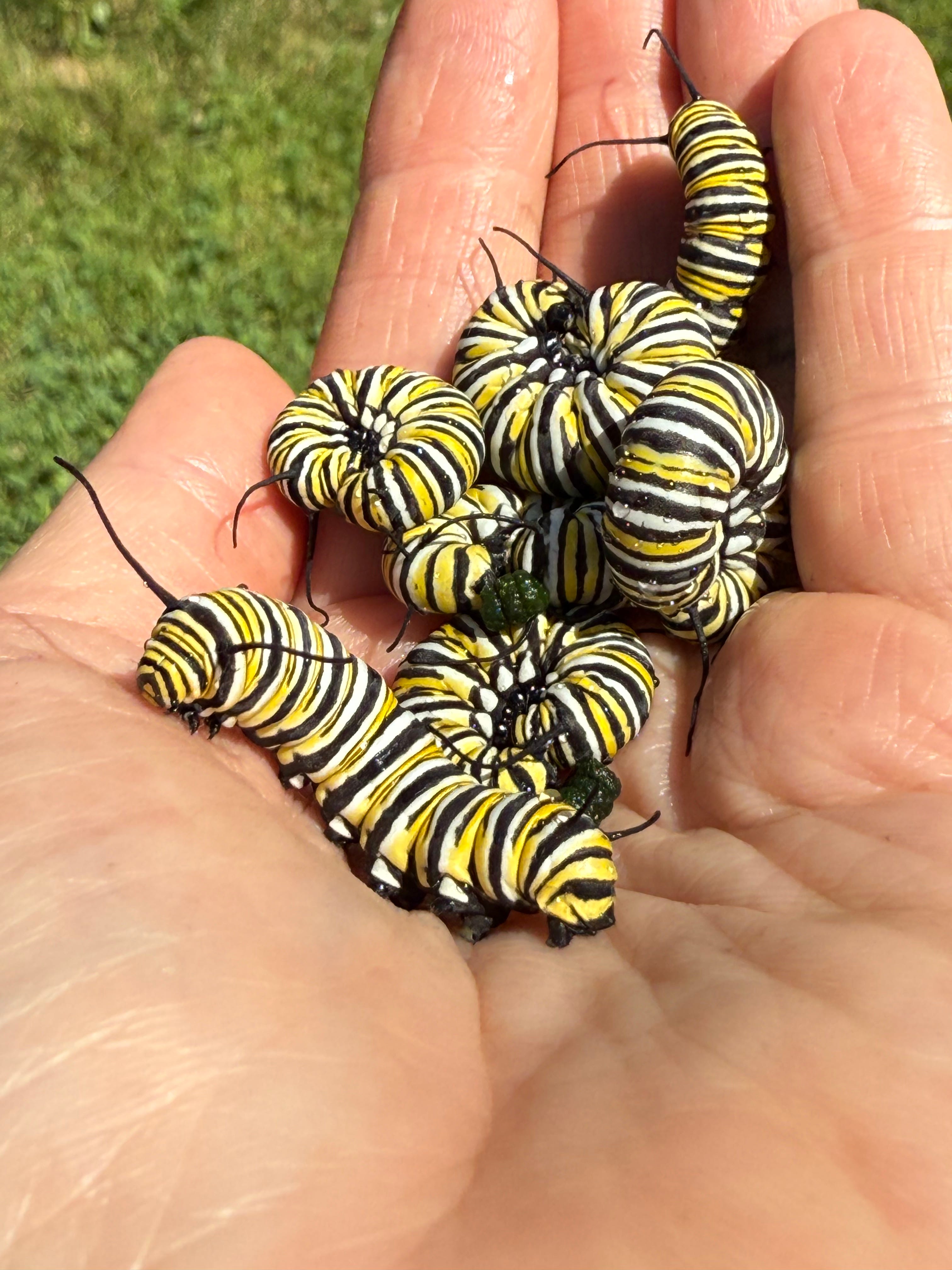
I want to use this newsletter as an opportunity to reintroduce myself and the work I have been doing with my husband, Scott, since 2001. Over the years, we have fallen head over heels for all types of plants, and in our pursuit to cultivate a diverse range of plants, we have become not just plant collectors but plant stewards. Initially, we started by purchasing native perennials and lots of edible fruiting trees and shrubs, some native and some not. In 2009 we were able to purchase the 8 acres of land directly across the road from the original 3 acres we had purchased in 1999; and right in time too, because we really had run out of space to continue expanding the collection with all the underutilized, rare, and endangered plants that we became interested in and began collecting, raising, and growing out many of these plants that first started as seeds, or seedlings. Although our area is rated as zone 6b, we are testing out plants that are zone 7 and even zone 8 to see how they adapt over time to our warming environment in the lower Hudson Valley.


In 2019 we established Hortus Arboretum as a nonprofit organization, and when Covid happened, we saw the need to open up the gardens to more of the public, especially in the beginning, when not even the NYBG or BBG were opening up their gardens.
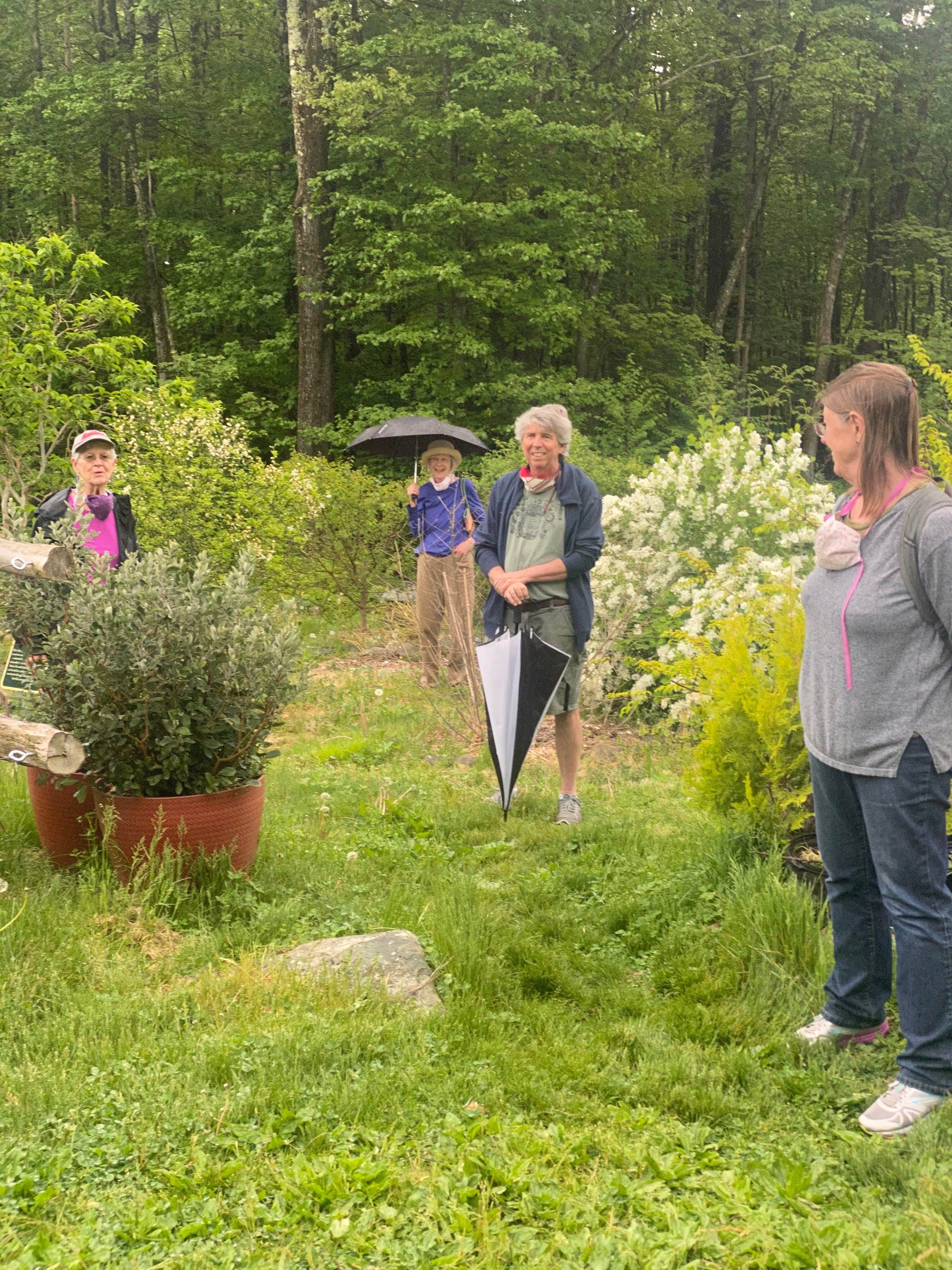
That really made it clear to us that Ulster County needed an arboretum-botanical garden, so why not Hortus? We were already growing over 250 different genera, so the roots of what we hope to turn into a public garden were already growing and spreading. Post pandemic, we have continued to offer programming with tours and classes, as well as open weekends to visit from May through October. In 2021, we purchased a 10-acre parcel that abuts the Property, Native Woodland and Field Gardens, which not only stopped the development of potentially three houses, but is now what we call the Northwoods.
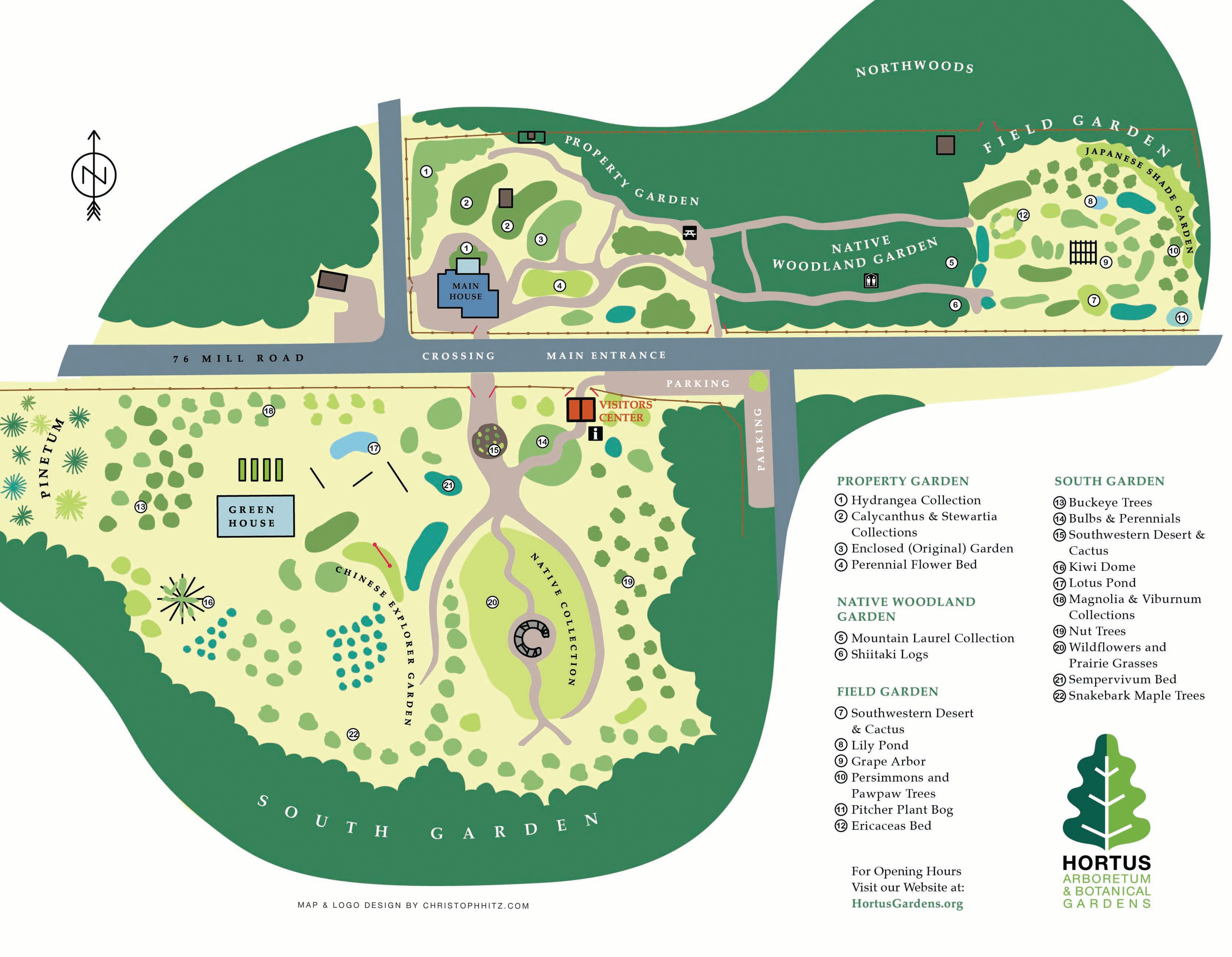
So at a total of 21 acres, we hope to continue to expand, but also are cognizant that we need to protect what we have started for future generations, which is why for the past 3 years, we have been working with the Rondout-Esopus Land Conservancy to put a conservation easement in place, so that the use of the land is only for a botanical garden or for agricultural use for perpetuity. That is our commitment to the work we are doing for our community and for our environment, and we will continue to do so for as long as we can.
We intend to help steward future partnerships to keep Hortus not only alive, but thriving. Please help us offset some of the costs, which involve hiring a conservation surveyor and the fee to the land conservancy. Your help would be greatly appreciated. Make a donation here.
SAVE THE DATES!
September 6th - Flower Dye Workshop with Bonnee Pecquex - Learn how to make your own plant dyes from using both familiar and some unfamiliar plants, and make a book of colors in wool! - $50 includes all materials
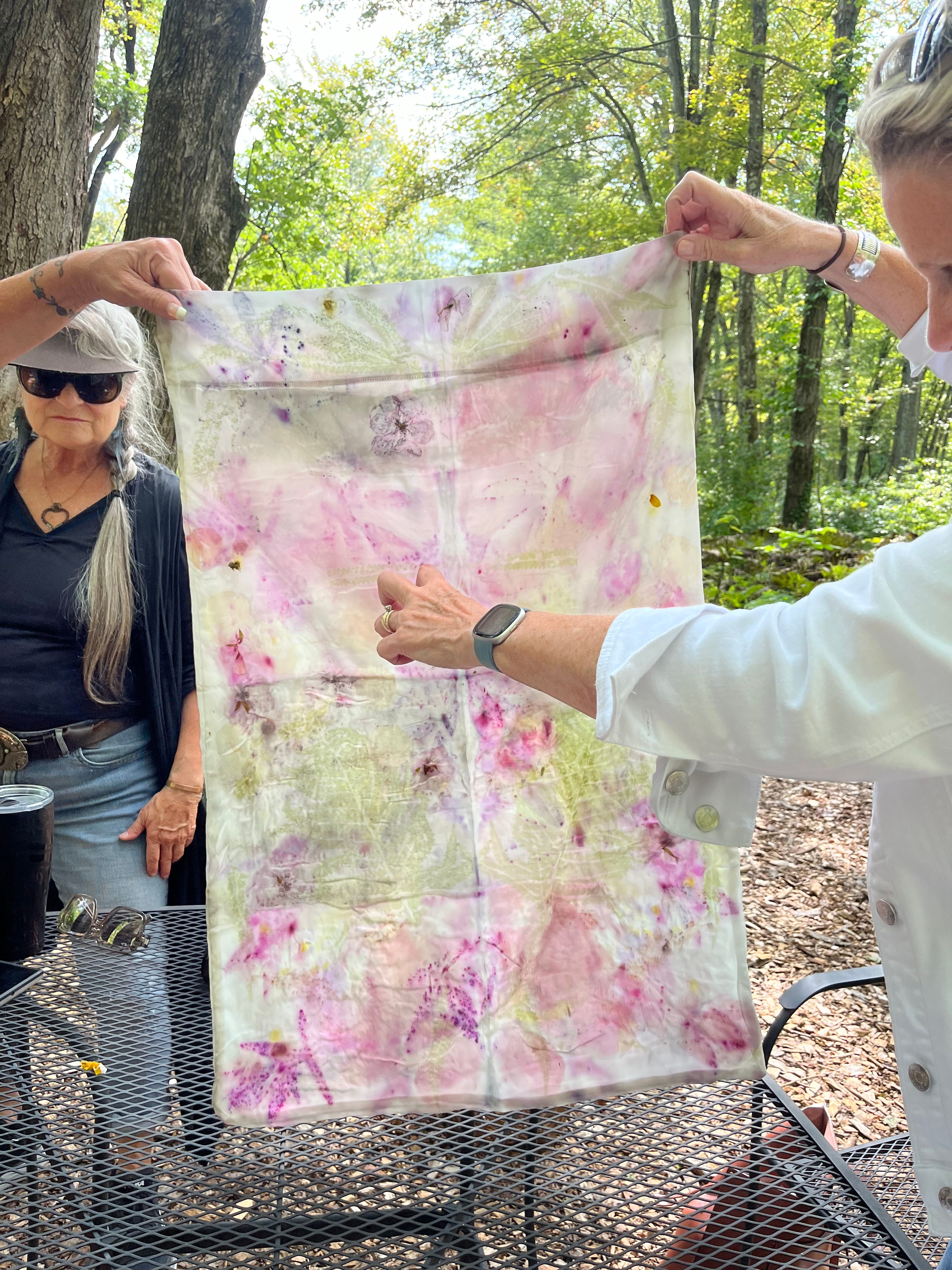
September 6th - Eco-Printing class with Bonnee Pecquex. By carefully arranging leaves, flowers, and other plant materials on the surface of the fabric and applying pressure and heat, the pigments and tannins present in the plants are transferred, resulting in stunning, one-of-a-kind designs. - $60 includes all materials
September 7th - Garden Conservancy Ulster County Open Day - For more information and to register please click here.
September 7th - Please join us for a guided tour highlighting some of our favorite edible and ornamental plants.
2:00 pm - 4:00 pm
$20 - non-members
$10 - members
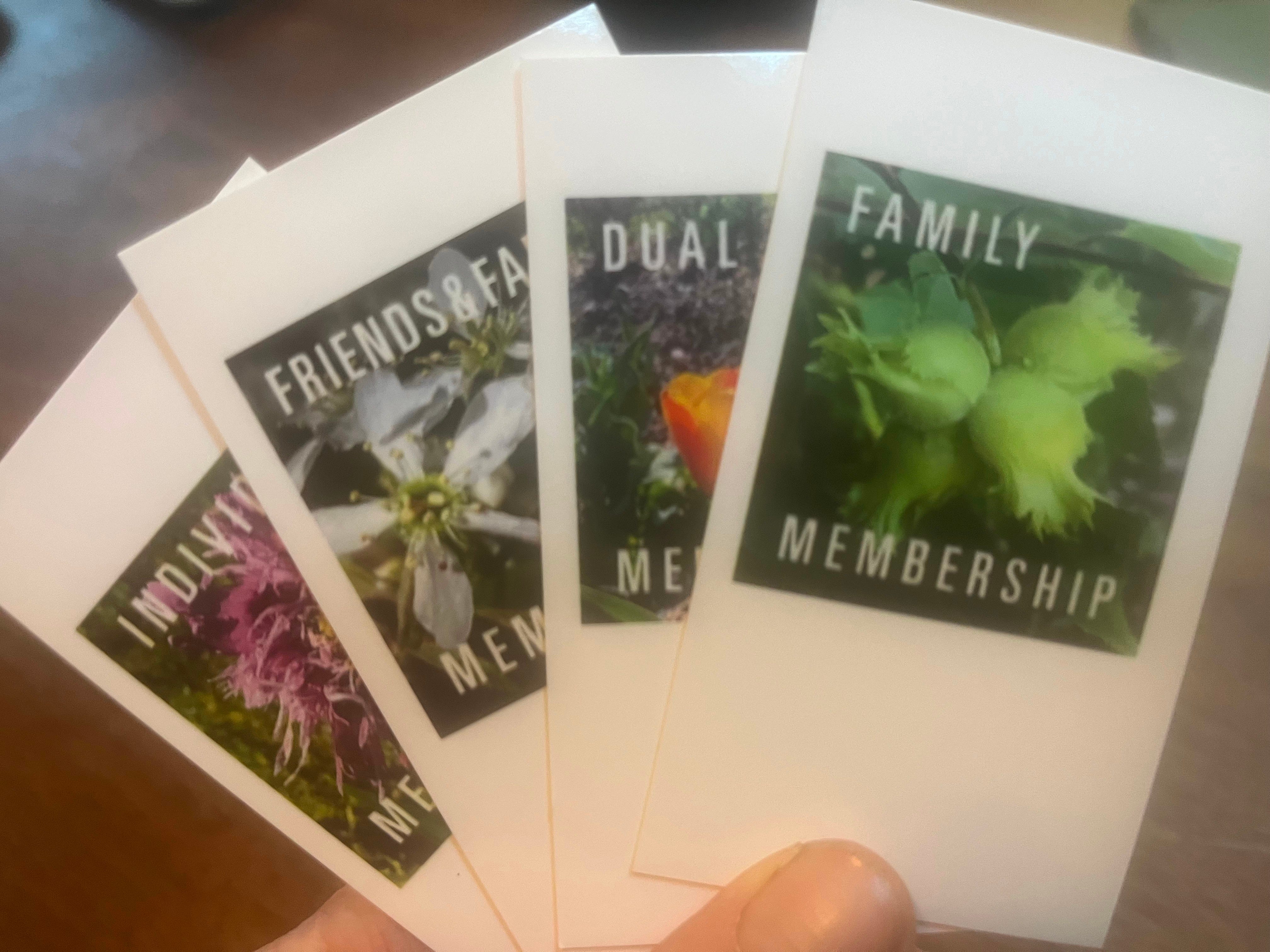
Other ways you can support the arboretum is to become a garden member! Your membership to the garden also allows you free entry to a large number of other gardens as part of our involvement with the American Horticultural Society reciprocal garden benefits.
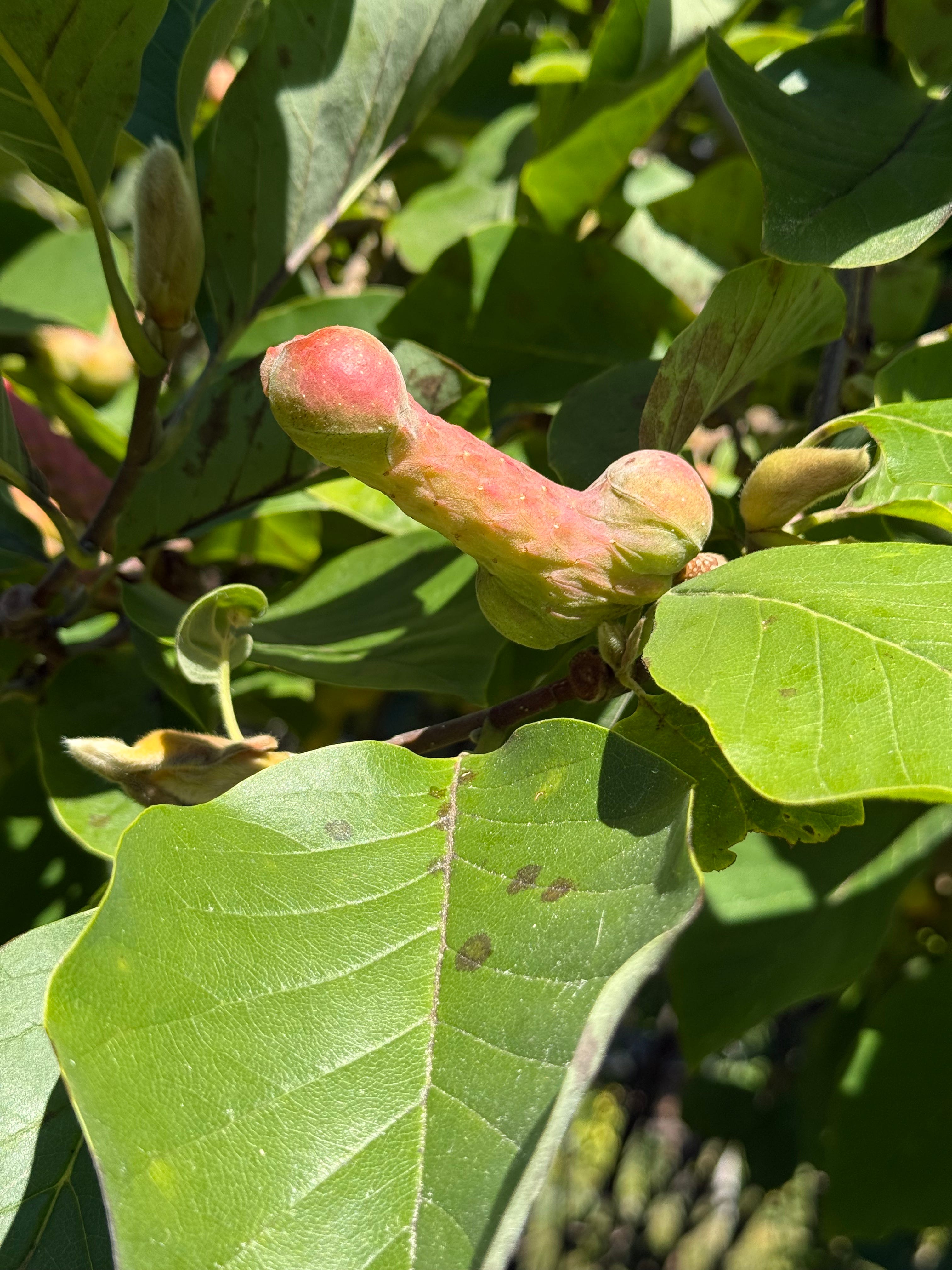
I suspect by the end of the month many Magnolias seed cones will show off their beautiful red seeds too, adding a dangling spot of red to highlight the ornamental effect. However, there are still quite a few flowering friends that wait until now to show off their gorgeous flowers.
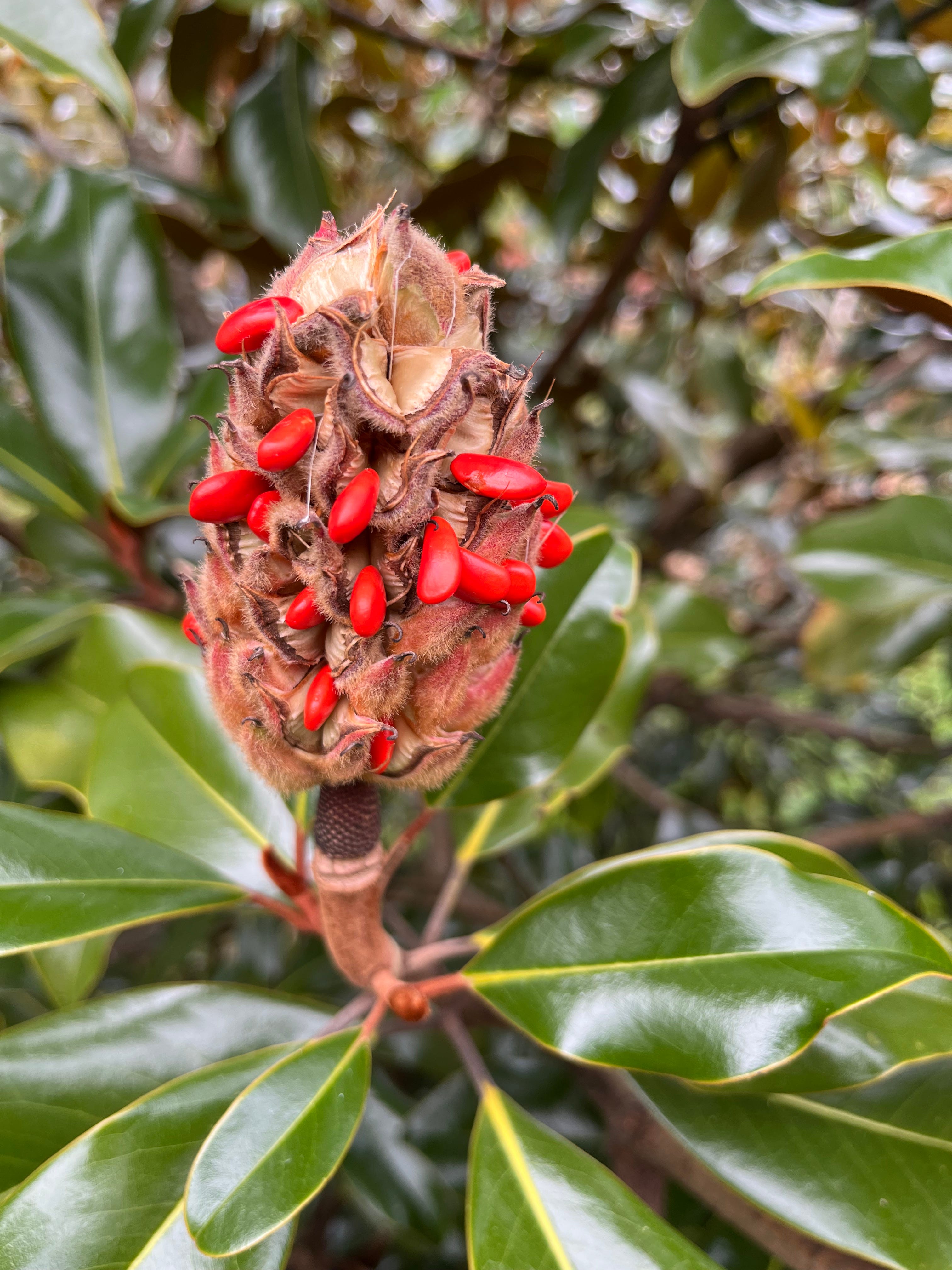


But what’s really rocking in the gardens now are the fruit and nut plants. In the hope of not jinxing anything I will venture to say that this years collective critters consisting of chipmunks and squirrels is decidedly a lot smaller than last years brood which stupidly pulled off any hazelnuts on all of the shrubs and trees, way before they were even ripe, as well as pulling down the the Heartnuts (I believe they left me one last year!) However when one thing no longer appears to be a problem, then some other animal arrives to give you agita!


SO a bear ate three of our hens (who even knew they did that?); but one of the real nemesis of the gardens is the porcupine- (I will completely skip over trapping 8 raccoons, which because of our timing left us with barely any Double Red Corn because raccoons seem to like maize a month before the maturing cob is fully ripe).
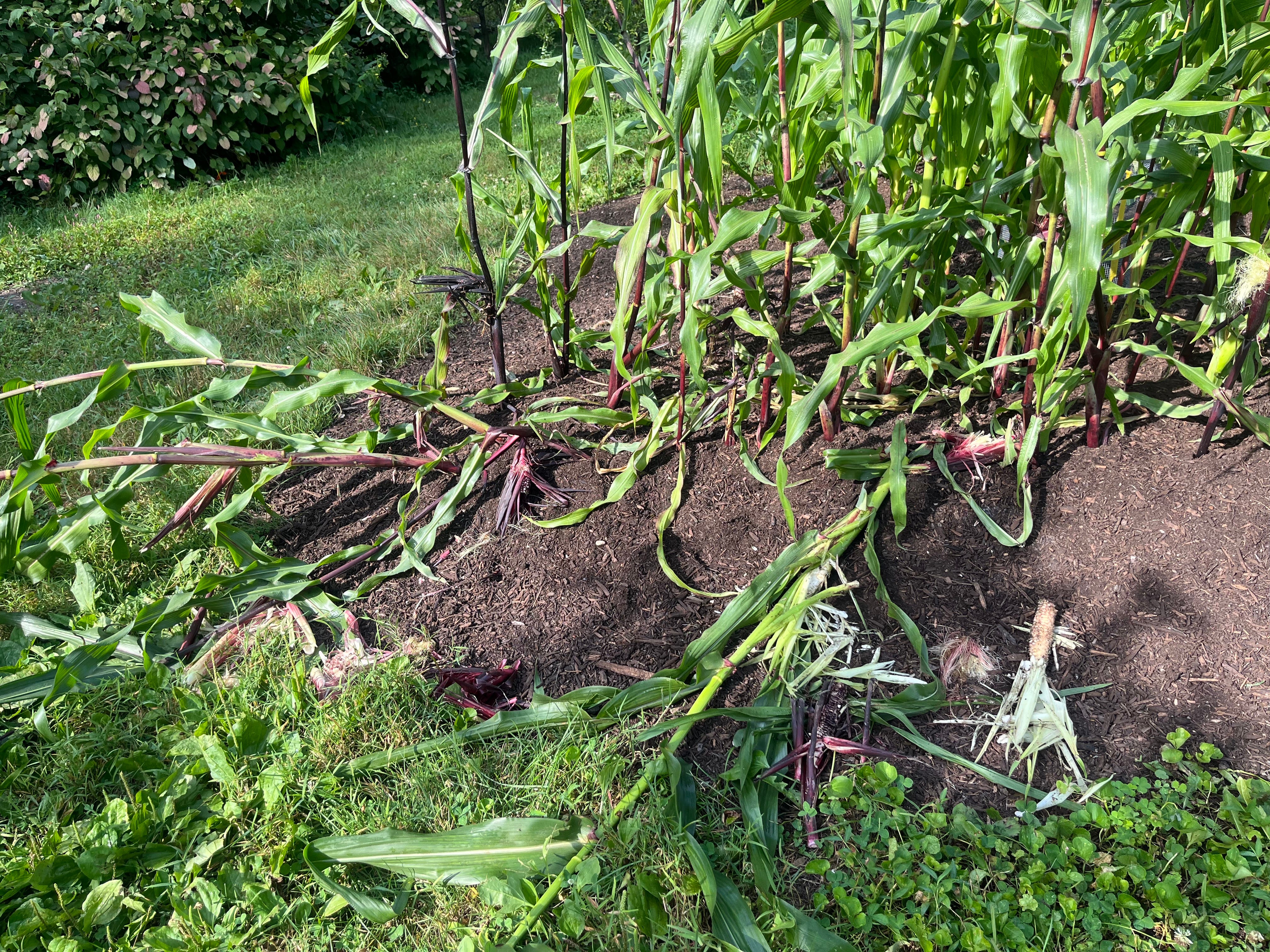
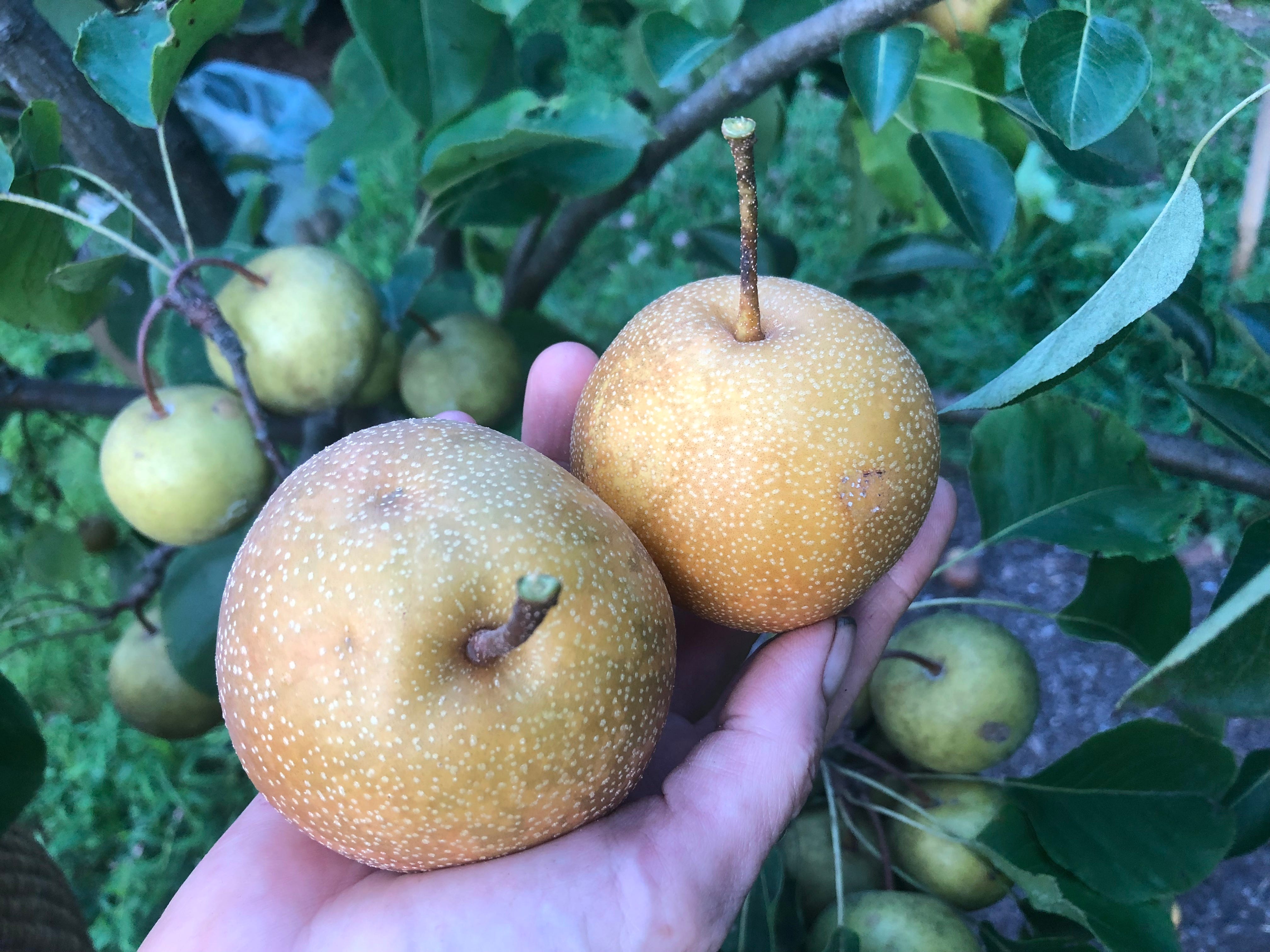
The porcupine on the other hand prefers Pyrus, and has been destroying both the contra-espalied European Pear trees as well as the multi-grafted Asian Pear!! After scouring the internet we have done all of the “no-fail” tricks, including salty wood, salty pears, and dog food (which is a raccoons soft-spot and gets them every time).


We have made nuisance boards to thwart the porcupine from climbing up the tree. We got this idea from the DEC because we needed a way to keep the bear from eating the other hens. Since we were not in a position to buy electric fence to protect the flock we essentially did this all over the chicken coop area.
So far it has worked for keeping the bear away, but NOT the porcupine.
The only good things that has come with the destruction of both of the espaliered European Pear trees is the decision to remove them now because they are blocking off the walking area to the ‘Yellow Sun’ Magnolia (and we need to be able to see those seed cones!) Plus more importantly its been many years since those pears produced a passable crop for just eating out of hand. Even cooking them down into a sauce or dehydrating due to all the divets, stoney cells and screwy shapes of the pears makes them so much work to process! However the Asian Pear is such a wonderful fruiting tree, especially since we planted a multi-grafted tree with 3 different varieties. Again this is a fruit that if you’re lucky, maybe one, possibly two varieties of Asian Pear can be available at a good grocery store or maybe even a local farmers market
.
Like ALL fruit, if you are able to grow your own it is not only worth the effort, but truly rewarding!
And if you are wondering what fruiting plants to put in, or looking to “refresh” on some ideas of what other edible plants to add to your garden I am going to tell you to put in some raspberry canes. Everybody who has some space to garden should be growing them. This may seem to contradict what I just said about making space in your garden to grow foods that you cannot purchase at your local market. But if you ever ever tasted red raspberries right off a thorny vine you know how worth getting prickled is, and your battle scars from picking may be just as red stained as your fingers and lips.


So no surprise here that Driscoll, or some other large grower is supplying the berries both in and off season found in your local supermarket. The main issue is that these clam-shell types have no real flavor. Sure they look nice, and can often be large, but they lack that true red raspberry flavor. Ok, maybe one or two in a half-pint vaguely remind you of late summer in your mouth, but the rest sitting on top of their little diaper blanket are often moldy, or squished. Raspberries do need some supervision, but to my mind there is no summer fruit that tastes like sunshine and yumminess in your mouth.
If you’re like us and have an excess of fruit and want to prepare something other than jam here’s a recipe from The Secret Ingredient, that Harrison the creator of that content made. Super simple, his recipe for Raspberry and cream is really on point for end of summer vibes.
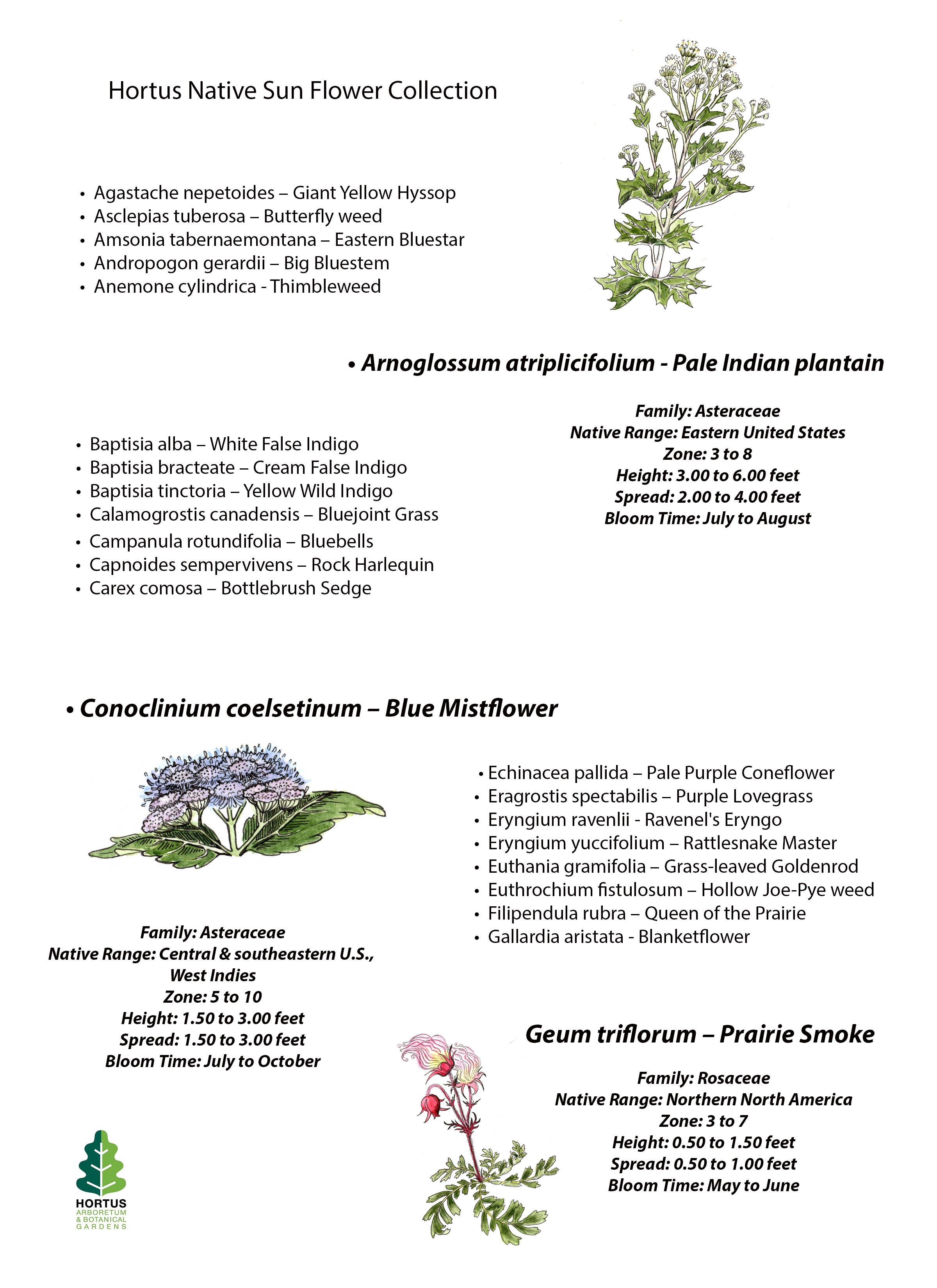
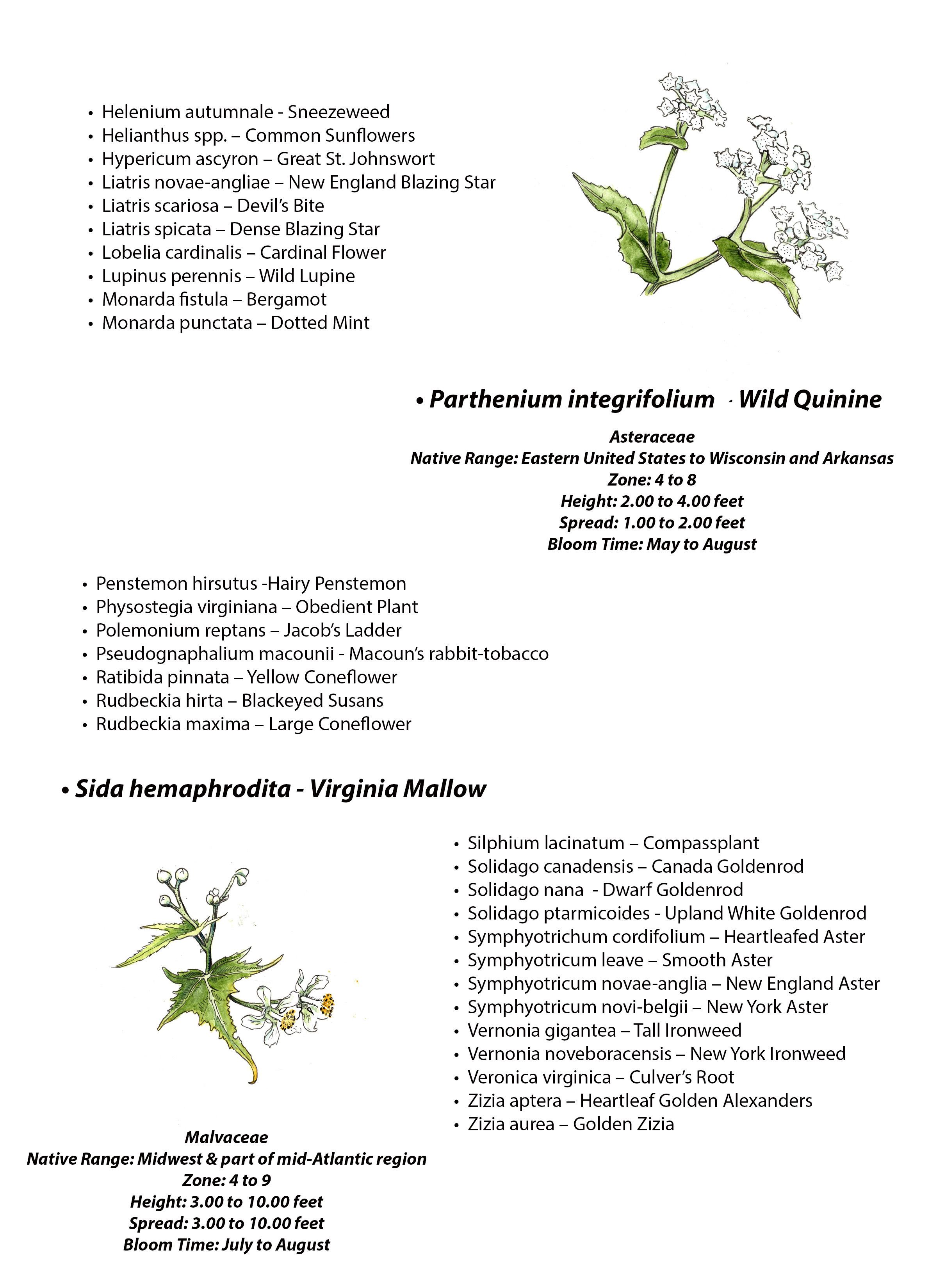
The native Sun garden has really taken off in its second year of growth! Originally where all our Prunus trees were, the 23+ trees were removed late in the season of 2023 and I have been adding what I consider “choice” plants for the area.


Here’s a list of many of the plants that are currently growing in this area. Since it is a work in progress, (as all good garden projects should be), there are many plants I forgot to add on to the list including, Chamaecrista fasciculata (Partridge Pea), Agastache foeniculum (Anise Hyssop), Agastache scrophulariifolia (Purple Giant Hyssop) and Helianthus annuus (Common Sunflower) which does occasionally self-sow in the gardens.
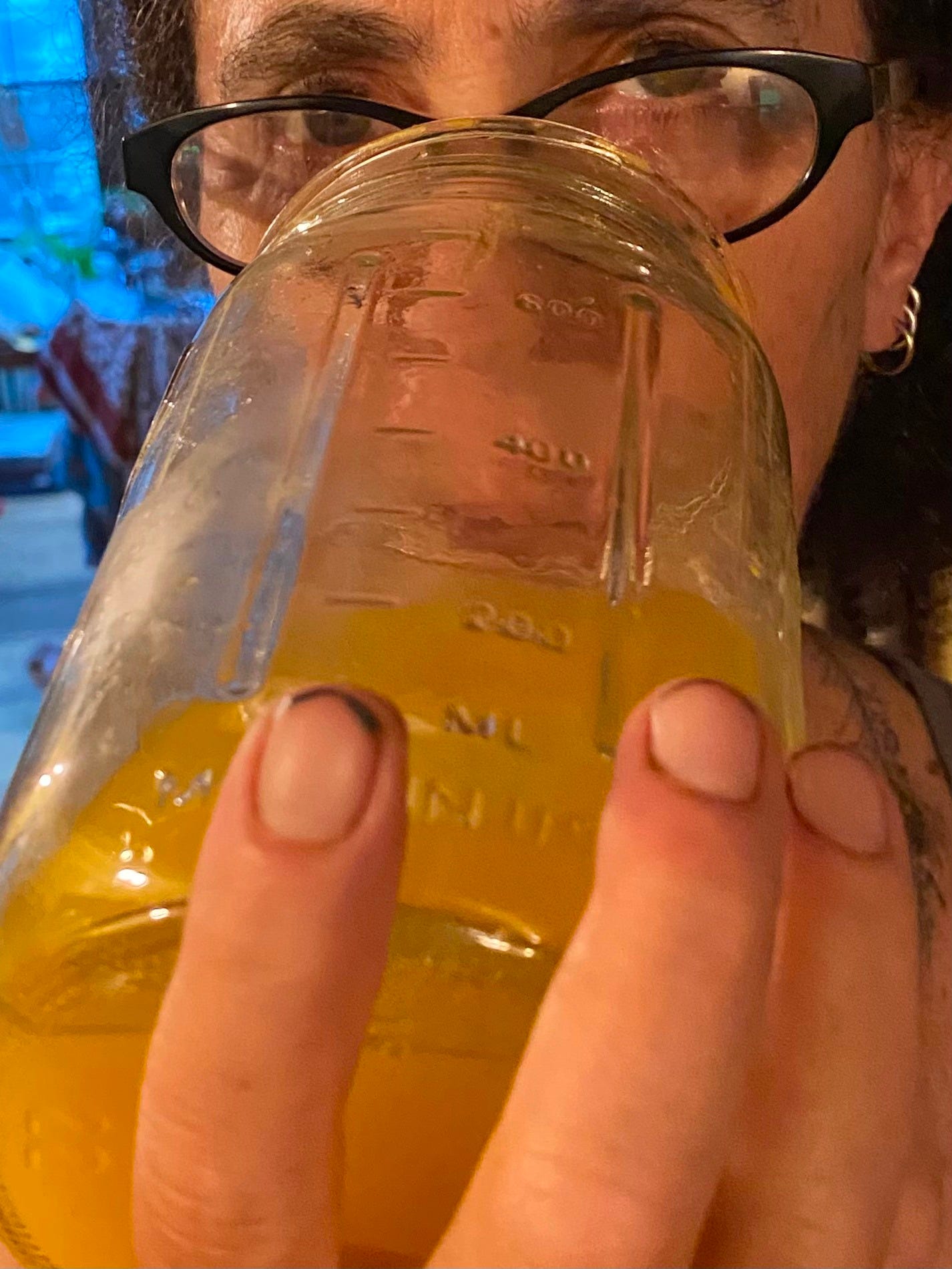
Lastly I want to give a shout out to getting dirt under your fingernails.


I have come to believe over the years that the microbes in the soil which are crammed deep down into my nails have been one of the factors for me staying healthy and not getting a common cold, flu or even allergies. I have no substantial proof on this, but both Scott and I are very rarely sick. In the most current issue of the magazine, American Horticultural Society I came across an article that made me have an “Ah-ha moment”- “Urban indoor gardening enhances immune regulation and diversifies skin microbiota — A placebo-controlled double-blinded intervention study”. If you don’t subscribe to the magazine you should. If not here’s a link to their referenced source through a ScienceDirect article.
Check it out, because I feel that it supports my sentiment on this subject.
Once again thank you for reading along.
See you in the gardens,
Allyson
a lovely read. RIP hens
Thank you so much. I'm grateful and inspired by your awesome work.